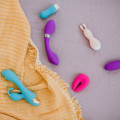
As the DIY culture continues to flourish, many individuals are exploring the world of homemade sex toys. However, before embarking on this creative journey, it is essential to navigate the complex legal landscape that surrounds the creation and use of these intimate devices. Understanding the Factors That Affect Toy Value is not just a matter of curiosity; it is a crucial step in ensuring that your DIY endeavors do not lead to unintended legal consequences, much like employing effective test-taking strategies can help students avoid pitfalls during exams.Different regions have varying regulations regarding homemade sex toys, which can range from permissive to highly restrictive. In some areas, there may be explicit laws that govern the materials used in creating these toys, while others may impose restrictions on their sale or distribution. As the DIY culture continues to flourish, many individuals are exploring the world of homemade sex toys. However, before embarking on this creative journey, it is essential to navigate the complex legal landscape that surrounds the creation and use of these intimate devices. Understanding the Factors That Affect Toy Value is not just a matter of curiosity; it is a crucial step in ensuring that your DIY endeavors do not lead to unintended legal consequences, much like employing effective test-taking strategies can help students avoid pitfalls during exams.Different regions have varying regulations regarding homemade sex toys, which can range from permissive to highly restrictive. In some areas, there may be explicit laws that govern the materials used in creating these toys, while others may impose restrictions on their sale or distribution. . However, before embarking on this creative journey, it is essential to navigate the complex legal landscape that surrounds the creation and use of these intimate devices. Understanding the Factors That Affect Toy Value is not just a matter of curiosity; it is a crucial step in ensuring that your DIY endeavors do not lead to unintended legal consequences, much like employing effective test-taking strategies can help students avoid pitfalls during exams.Different regions have varying regulations regarding homemade sex toys, which can range from permissive to highly restrictive. In some areas, there may be explicit laws that govern the materials used in creating these toys, while others may impose restrictions on their sale or distribution. As the DIY culture continues to flourish, many individuals are exploring the world of homemade sex toys. However, before embarking on this creative journey, it is essential to navigate the complex legal landscape that surrounds the creation and use of these intimate devices. Understanding the Factors That Affect Toy Value is not just a matter of curiosity; it is a crucial step in ensuring that your DIY endeavors do not lead to unintended legal consequences, much like employing effective test-taking strategies can help students avoid pitfalls during exams.Different regions have varying regulations regarding homemade sex toys, which can range from permissive to highly restrictive. In some areas, there may be explicit laws that govern the materials used in creating these toys, while others may impose restrictions on their sale or distribution.
For instance, certain materials deemed unsafe or hazardous may be prohibited for use in sex toy manufacturing. Therefore, it is vital to conduct thorough research on local laws and regulations before you start crafting your own devices.Moreover, understanding the legal considerations for making sex toys extends beyond just compliance with local laws. It also involves being aware of potential liability issues that could arise from using homemade products. If a homemade toy causes injury or harm, the creator could face legal repercussions.
This highlights the importance of not only adhering to legal standards but also prioritizing safety and hygiene in your DIY projects.In this section, we will delve deeper into the specific laws and regulations that govern homemade sex toys, providing you with the knowledge needed to navigate this intricate landscape safely and responsibly. By arming yourself with this information, you can enjoy your creative pursuits while minimizing any potential legal risks associated with making your own sex toys.
The Importance of Safety in Homemade Sex Toys
When it comes to homemade sex toys, safety should be your top priority. While the idea of creating your own intimate devices can be exciting and empowering, it is essential to recognize the potential risks involved. Understanding these risks and implementing safety measures can significantly enhance your experience and ensure your well-being.Potential Risks of DIY Sex Toys
- Infections: Using non-body-safe materials can lead to infections.
Materials that are porous or difficult to clean can harbor bacteria, increasing the risk of irritation or infection.
- Injury: Improperly constructed toys may cause physical harm. Sharp edges, splinters, or unstable designs can lead to cuts or bruises during use.
- Allergic Reactions: Some materials may trigger allergic reactions. It’s crucial to know what materials you are using and whether you have any sensitivities.
- Malfunction: Homemade toys may not function as intended, leading to disappointment or frustration. A toy that breaks during use can also pose a safety hazard.
Safety Tips for Homemade Sex Toys
- Choose Body-Safe Materials: Always opt for materials that are non-toxic and body-safe.
Recommended options include medical-grade silicone, glass, and stainless steel. These materials are non-porous, easy to clean, and safe for internal use.
- Avoid Hazardous Substances: Steer clear of materials like wood, plastic, or anything that could splinter or break easily. Additionally, avoid using items not designed for sexual use, as they may contain harmful chemicals.
- Thorough Cleaning: Before and after each use, ensure that your homemade toys are thoroughly cleaned and sanitized. Use mild soap and warm water or a dedicated toy cleaner to eliminate any bacteria.
- Test for Comfort: Before using a homemade toy extensively, test it on less sensitive areas of your body to ensure there are no adverse reactions or discomfort.
Conclusion
The journey into creating homemade sex toys can be both fulfilling and enjoyable when approached with caution.
By prioritizing safety through careful material selection and proper hygiene practices, you can minimize risks and enhance your overall experience. Remember that your health and comfort should always come first when exploring the world of DIY intimacy.
Materials to Consider When Making Your Own Sex Toys
When it comes to creating your own sex toys, the choice of materials is crucial for both safety and pleasure. Using the right materials can enhance your experience while minimizing the risk of irritation or injury. Below, we explore some of the best materials for homemade sex toys, focusing on body-safe options that are suitable for DIY projects.- Medical-Grade Silicone: This is one of the safest and most popular materials for sex toys.
Medical-grade silicone is non-porous, hypoallergenic, and easy to clean. It can be molded into various shapes and sizes, making it ideal for creating custom designs. Always ensure that the silicone you use is specifically labeled as medical-grade to avoid harmful additives.
- Glass: Glass is another excellent option for homemade sex toys. It is non-porous, easy to clean, and can be heated or cooled for temperature play.
When using glass, ensure that it is made from borosilicate glass, which is more durable and less likely to break. Always inspect your glass toys for any chips or cracks before use.
- Stainless Steel: For those looking for a more luxurious feel, stainless steel is a fantastic choice. It is non-porous, easy to sanitize, and can provide a unique weight and sensation during use. Like glass, stainless steel can also be used for temperature play by warming or cooling the toy before use.
- Wood: While wood can be a more controversial choice due to its porous nature, certain types of wood can be safe if properly treated.
Ensure that any wooden toy is made from non-toxic wood and has been sealed with a body-safe finish to prevent splinters and bacteria buildup. Avoid using untreated wood or materials that may harbor harmful chemicals.
- Thermoplastic Elastomer (TPE) and Thermoplastic Rubber (TPR): These materials are often used in commercial sex toys due to their soft texture and flexibility. However, they are porous and may harbor bacteria if not cleaned properly. If you choose to use TPE or TPR for your DIY projects, ensure that you are aware of their limitations regarding hygiene.
These options not only enhance safety but also provide a pleasurable experience. Always remember to clean your homemade toys thoroughly before and after each use to maintain hygiene and prolong their lifespan.
Step-by-Step Guide to Creating Your Own Sex Toys
Creating your own sex toys can be an exciting and fulfilling endeavor, allowing you to explore your desires in a personalized way. Below is a step-by-step guide to help you make various types of homemade sex toys, catering to different skill levels and preferences.1.Simple DIY Dildo
This is one of the easiest sex toys to create, perfect for beginners.- Materials Needed: A clean, smooth cucumber or a silicone mold, body-safe silicone (if using a mold), and a condom for hygiene.
- Instructions:
- If using a cucumber, wash it thoroughly and ensure it’s free from any pesticides or chemicals.
- Wrap the cucumber in a condom to maintain hygiene and make cleaning easier.
- If using a silicone mold, follow the instructions on the silicone package to create your desired shape.
- Once ready, use it gently and ensure you’re comfortable with the size and texture.
2.Vibrating Toy Using Household Items
This method utilizes common household items to create a vibrating sensation.- Materials Needed: A small, waterproof vibrator (like a bullet), a soft cloth or sponge, and tape.
- Instructions:
- Wrap the cloth or sponge around the vibrator to create a softer surface.
- Secure it with tape, ensuring that the vibrator remains accessible for operation.
- This DIY toy can be used externally or internally, depending on your comfort level.
3.Customizable Pleasure Wand
If you’re feeling more adventurous, consider making a pleasure wand that can be tailored to your preferences.- Materials Needed: A sturdy stick (like a wooden dowel), sandpaper, body-safe paint or sealant, and optional attachments (like feathers or fabric).
- Instructions:
- Smooth the stick with sandpaper to avoid splinters.
- Paint or seal the stick with body-safe materials to ensure it’s safe for use.
- Add attachments for extra stimulation; for example, glue feathers at one end for tickling sensations.
- This wand can be used for both internal and external stimulation based on its design.
Safety Tips:
- Always use body-safe materials that are non-toxic and easy to clean.
- Test any homemade toy on a small area of skin first to check for allergies or reactions.
- Clean your toys thoroughly before and after each use to prevent infections.
Communicating with Partners About Homemade Sex Toys
When it comes to exploring the world of homemade sex toys, open and honest communication with your partner is essential.Discussing DIY sex toys can be a sensitive topic, but addressing it thoughtfully can enhance intimacy and ensure that both partners feel comfortable and excited about the experience.
Starting the Conversation
- Choose the Right Time: Find a moment when both of you are relaxed and open to discussing personal topics. Avoid bringing it up during stressful times or when either partner is preoccupied.
- Be Honest About Your Interests: Share your curiosity about making homemade sex toys and explain why it appeals to you. Whether it's the creativity involved or the desire for personalized experiences, being transparent can help your partner understand your perspective.
- Encourage Open Dialogue: Invite your partner to share their thoughts and feelings about the idea. Ask open-ended questions like, "What do you think about trying homemade sex toys?" This encourages a two-way conversation rather than a one-sided pitch.
Addressing Concerns
Your partner may have reservations about using homemade sex toys, whether due to safety concerns or personal comfort levels.
It's crucial to address these concerns respectfully:
- Safety First: Discuss the materials you plan to use and how you will ensure they are body-safe. Reassure your partner that you will prioritize hygiene and safety in your DIY projects.
- Consent is Key: Emphasize that both partners should feel comfortable with any new experiences. Consent should be enthusiastic and ongoing; if either partner feels uncertain, it's important to pause and revisit the conversation later.
- Explore Together: Consider involving your partner in the creation process. This can foster a sense of collaboration and excitement, making the experience more enjoyable for both of you.
Setting Boundaries
This ensures that both individuals feel safe and respected throughout the experience.
Common Myths and Misconceptions About Homemade Sex Toys
When it comes to homemade sex toys, there are numerous myths and misconceptions that can cloud judgment and lead to misunderstandings.By addressing these myths, we can provide clarity and help individuals make informed decisions about their DIY endeavors.
- Myth 1: Homemade Sex Toys Are Always Unsafe
Many people believe that any homemade sex toy is inherently unsafe. While it’s true that improper materials or construction can pose risks, many DIY enthusiasts prioritize safety by using body-safe materials like silicone or glass. The key is to educate oneself on safe practices and materials. - Myth 2: You Need Advanced Skills to Make a Sex Toy
Another common misconception is that creating a homemade sex toy requires advanced crafting skills. In reality, many DIY projects are simple and can be accomplished with basic tools and materials.There are countless tutorials available that cater to all skill levels.
- Myth 3: All Store-Bought Toys Are Safer Than Homemade Ones
While many commercial sex toys are designed with safety in mind, not all products on the market are created equal. Some may contain harmful chemicals or materials. It’s essential to research brands and read reviews, as well as understand that homemade options can be just as safe when made correctly. - Myth 4: Homemade Toys Are Only for the Uninformed
The idea that only those who lack knowledge about sex toys resort to making their own is misleading. Many individuals choose to create their own toys for personal expression, customization, or simply for the fun of it.DIY culture encourages creativity and exploration.
- Myth 5: You Can Use Any Household Item as a Sex Toy
While some household items may seem like viable options for DIY sex toys, not all are safe for intimate use. Items that are porous, sharp, or made from unsafe materials can lead to injury or infection. It’s crucial to select items specifically designed for body contact or those known to be safe.